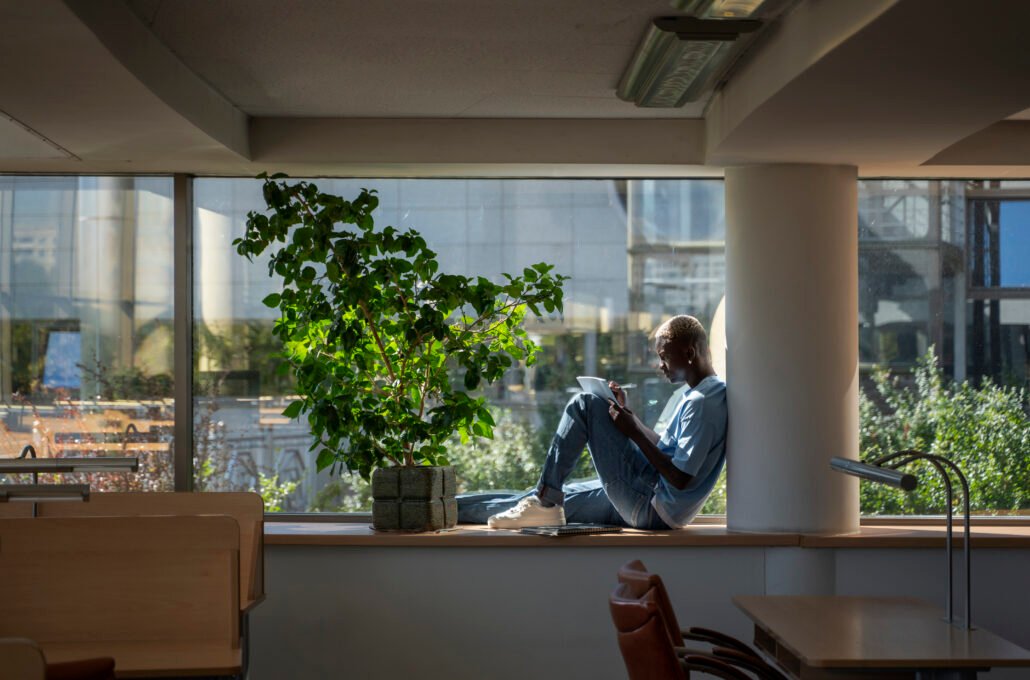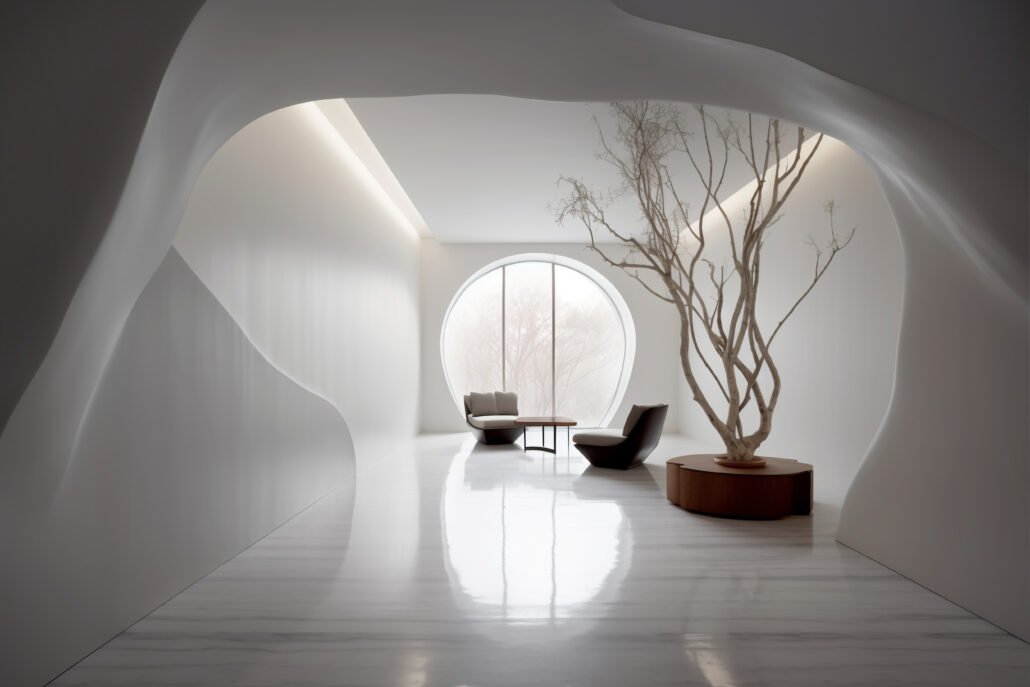
The role of color in interior architecture goes far beyond aesthetics. Color influences how spaces feel, how people behave, and how interiors function daily. From residential homes to commercial environments, thoughtful color selection supports comfort, productivity, and emotional well-being.
At Arcxplore, we treat color as a design tool, not just a finish.
How Color Influences Human Perception
Color affects perception of space. Light colors make rooms feel open and expansive, while darker tones create intimacy and depth. Warm hues often feel welcoming, while cool tones promote calmness and focus.
Architects use color to visually adjust proportions and enhance spatial balance.
Emotional Impact of Color in Interiors
Different colors trigger different emotional responses. Blues and greens are commonly used in spaces designed for relaxation or concentration. Warm tones like beige and earthy shades support comfort and social interaction.
Choosing the right color palette ensures interiors support the intended emotional experience.
Color and Functional Zoning
Color plays a key role in defining zones within open or multifunctional interiors. Subtle shifts in tone can separate living areas from workspaces without physical partitions.
This strategy improves navigation and usability while maintaining visual continuity.
Natural Light and Color Interaction
Natural light changes how color appears throughout the day. Architects consider window placement, orientation, and lighting conditions before finalizing palettes. Artificial lighting is also selected to complement surface colors.
This coordination ensures color consistency and comfort in all conditions.
Color in Residential Interior Architecture
In homes, color supports lifestyle and routine. Neutral palettes create flexibility and longevity, while accent colors add personality. Bedrooms benefit from calming tones, while kitchens and living areas often use warmer or brighter hues.
Balanced color design enhances daily living without overwhelming the space.
Color in Commercial and Work Environments
Commercial interiors use color strategically to influence behavior. Offices often incorporate calming colors to improve focus, while retail spaces use contrast to guide attention and movement.
Interior architecture aligns color with brand identity and user experience.
Timeless Design and Long-Term Value
Trendy colors may fade, but timeless palettes endure. Architects prioritize adaptable color schemes that allow easy updates through furniture or finishes. This approach protects long-term value and design relevance.
Final Thoughts
The role of color in interior architecture is both emotional and functional. When applied thoughtfully, color enhances comfort, clarity, and connection within a space.