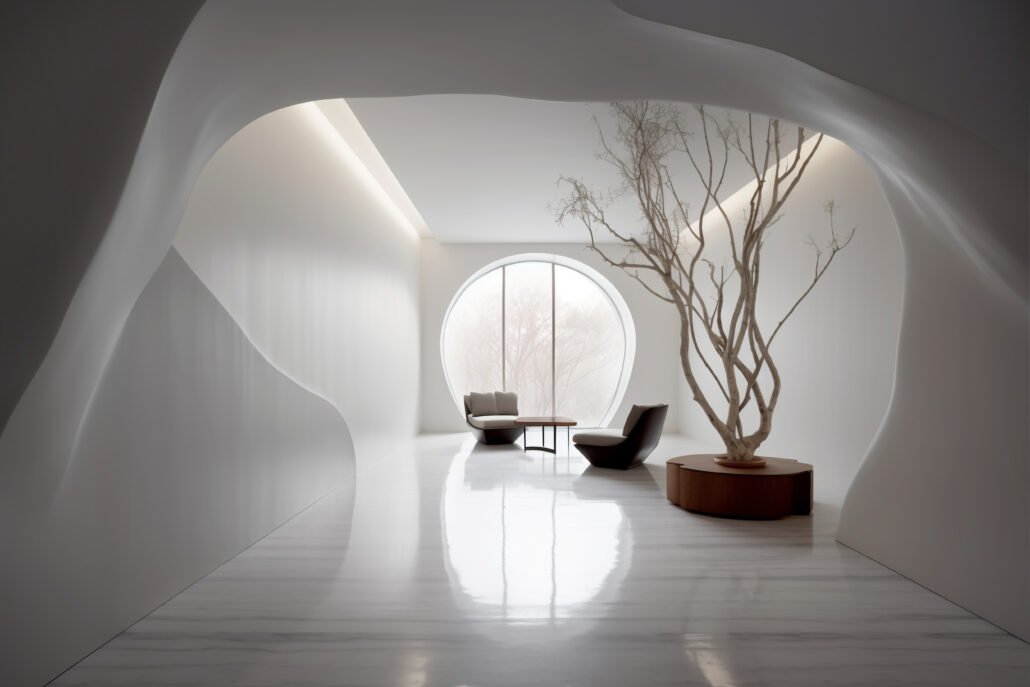
Minimalist interiors have become one of the most influential design movements in recent years. As lifestyles become faster and spaces more compact, people are embracing simplicity, clarity, and purpose in their homes. Minimalism is not about emptiness. It is about intentional design.
At Arcxplore, we see minimalist interiors as a response to modern living needs rather than a passing trend.
What Defines Minimalist Interiors
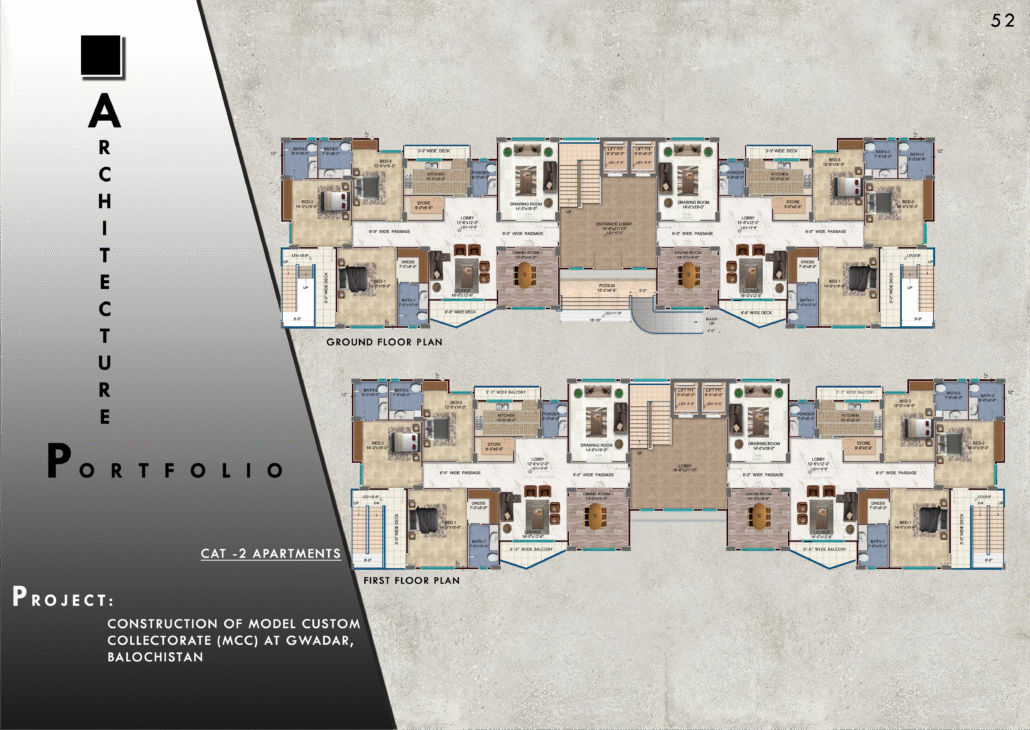
Minimalist interiors focus on clean lines, open layouts, and essential elements. Every item has a purpose. Clutter is removed, and spaces feel calm, balanced, and easy to navigate.
Function Over Excess
Minimalism prioritizes functionality. Storage solutions are integrated into the design. Furniture is selected for comfort and efficiency rather than decoration alone.
This approach improves daily living by making spaces easier to maintain and more intuitive to use.
The Role of Light and Space
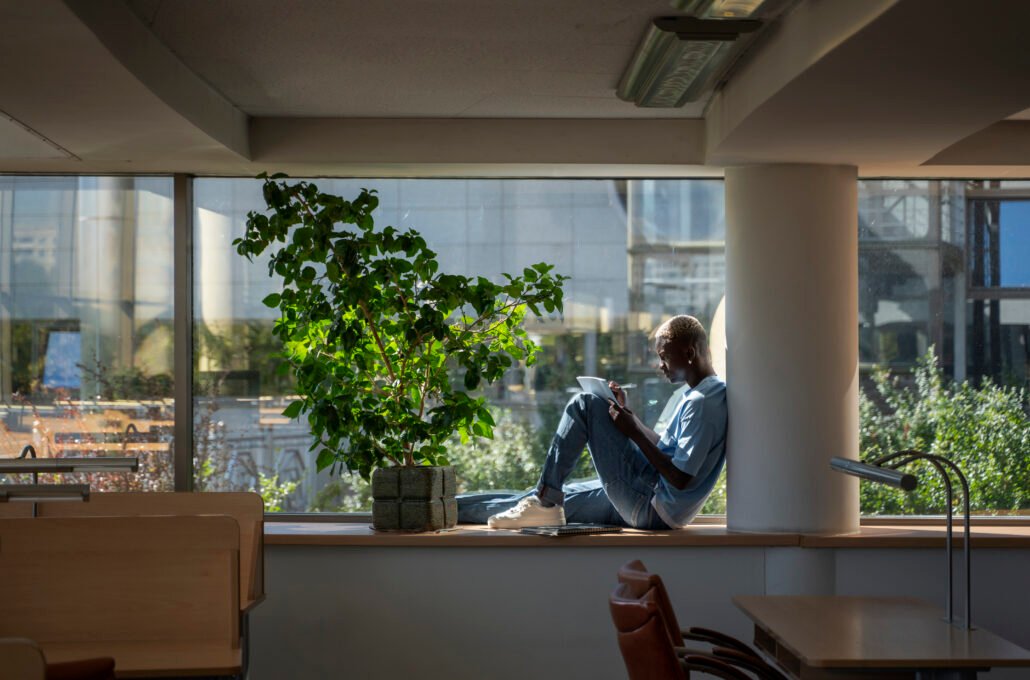
Natural light is central to minimalist interiors. Large windows, open plans, and light-reflecting surfaces enhance brightness and visual openness.
By maximizing light and reducing visual noise, minimalist spaces feel larger and more inviting.
Material Selection and Texture
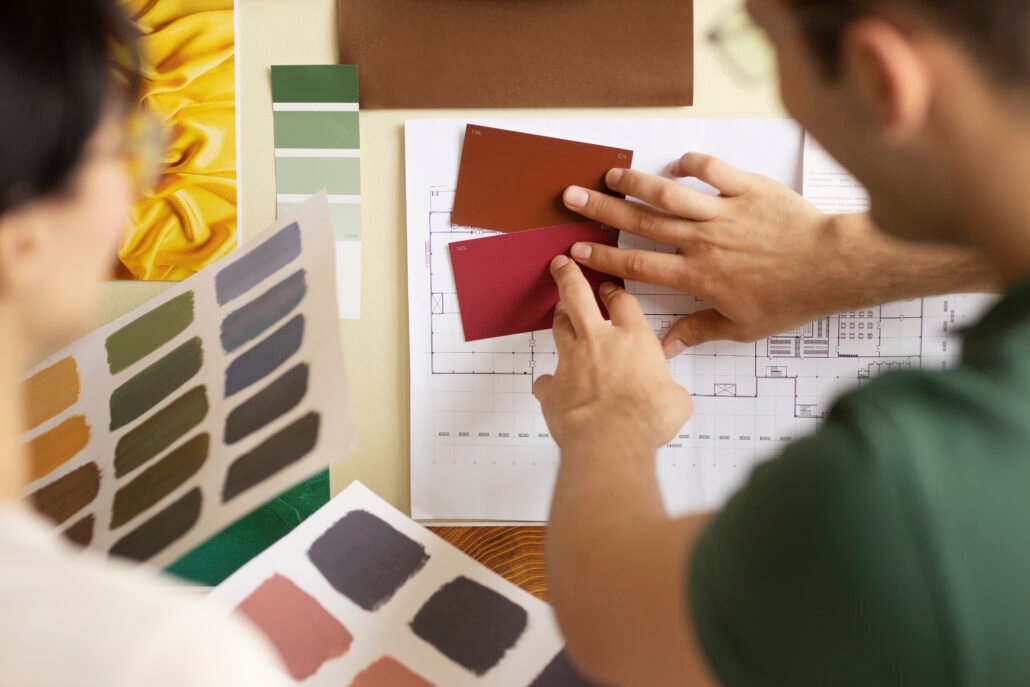
Although minimalist interiors use fewer elements, material quality becomes more important. Wood, stone, concrete, and soft textiles add warmth and depth without visual clutter.
Subtle textures replace ornamentation, creating interest through contrast and craftsmanship.
Why Minimalism Appeals to Modern Lifestyles
Minimalist interiors support mental clarity and well-being. Clean spaces reduce stress and encourage focus. They also adapt well to changing needs, making them ideal for urban homes and compact apartments.
Sustainability plays a role too. Fewer materials, durable finishes, and long-lasting designs reduce waste and promote responsible living.
Minimalism Beyond Aesthetics
Minimalist interiors influence how people live, move, and interact with their environment. They promote mindfulness and intentional living, where quality matters more than quantity.
Good minimalism balances simplicity with comfort, ensuring spaces feel welcoming rather than cold.
Final Thoughts
The rise of minimalist interiors reflects a shift toward thoughtful, functional, and human-centered design. It is not about following trends but about creating spaces that support modern life with clarity and purpose.