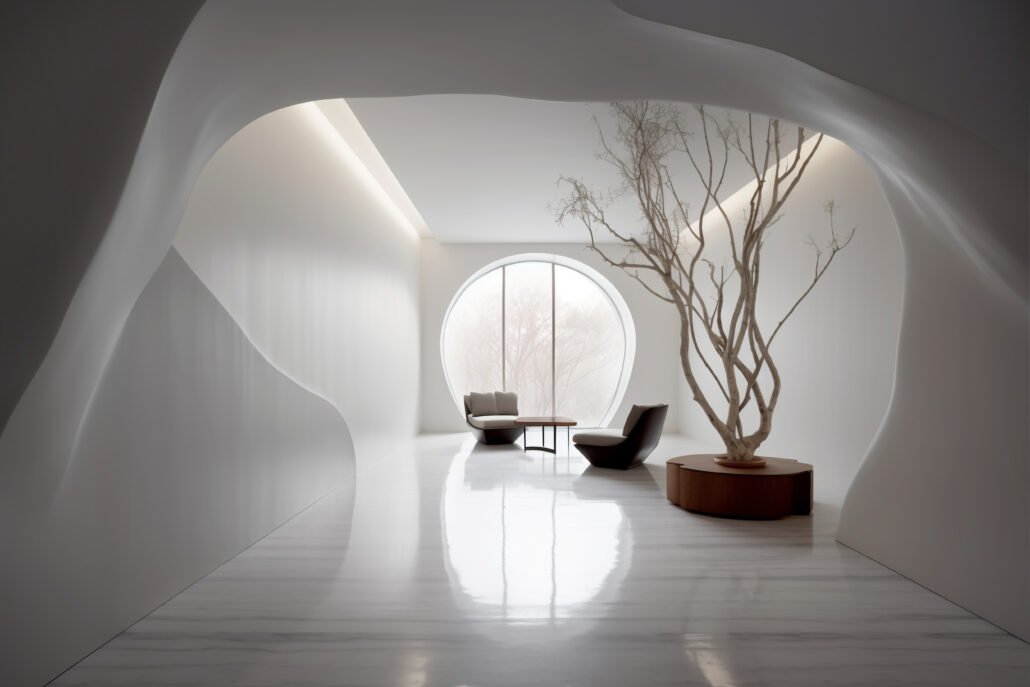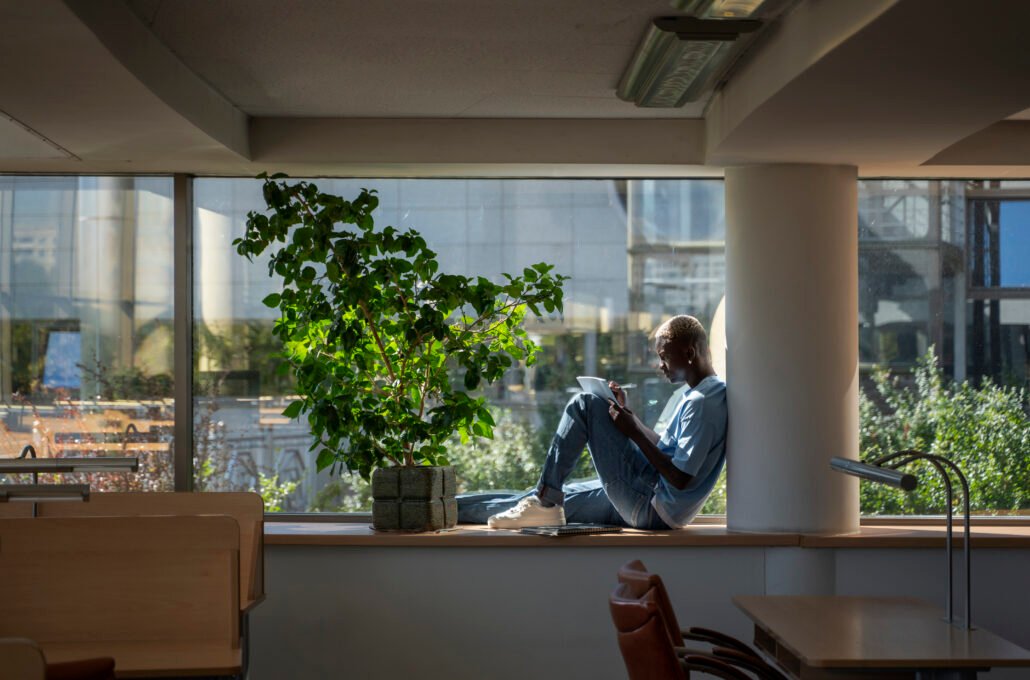
Natural light in modern architecture is one of the most powerful design elements. It shapes how spaces feel, function, and perform. Beyond aesthetics, daylight plays a critical role in health, energy efficiency, and spatial experience.
At Arcxplore, we treat natural light as a core design strategy rather than a decorative feature.
How Natural Light Transforms Spaces
Daylight enhances visual comfort and creates a strong connection between indoor and outdoor environments. Bright, well-lit spaces feel larger, more welcoming, and easier to navigate.
Health and Well-Being Benefits
Access to natural light directly affects human health. Daylight supports circadian rhythms, improves mood, and boosts productivity. Homes, offices, and public buildings with good daylighting promote comfort and mental clarity.
Studies show that naturally lit spaces reduce stress and improve overall well-being.
Energy Efficiency and Sustainability
One of the biggest advantages of natural light in modern architecture is reduced energy consumption. Proper daylighting minimizes the need for artificial lighting during the day, lowering electricity usage.
Design Strategies for Maximizing Daylight
Architects use several techniques to enhance daylight. These include building orientation, window placement, skylights, light wells, and open floor plans.
Shading devices and smart glazing control glare and heat while maintaining visual comfort. Balanced daylight design improves performance without compromising privacy or thermal comfort.
Natural Light in Residential and Commercial Design
In residential architecture, natural light improves daily living and reduces reliance on artificial systems. In commercial spaces, it boosts productivity and enhances user experience.
Retail, healthcare, and educational buildings also benefit from daylight-driven design that supports comfort and engagement.
Balancing Light, Heat, and Privacy
Good daylight design considers more than brightness. Architects balance light with thermal performance and privacy. Strategic shading, window proportions, and material choices ensure comfort throughout the year.
Modern architecture uses technology and design intelligence to achieve this balance effectively.
Final Thoughts
Natural light in modern architecture is essential for creating spaces that feel healthy, efficient, and inspiring. It supports sustainability, enhances well-being, and elevates architectural quality.