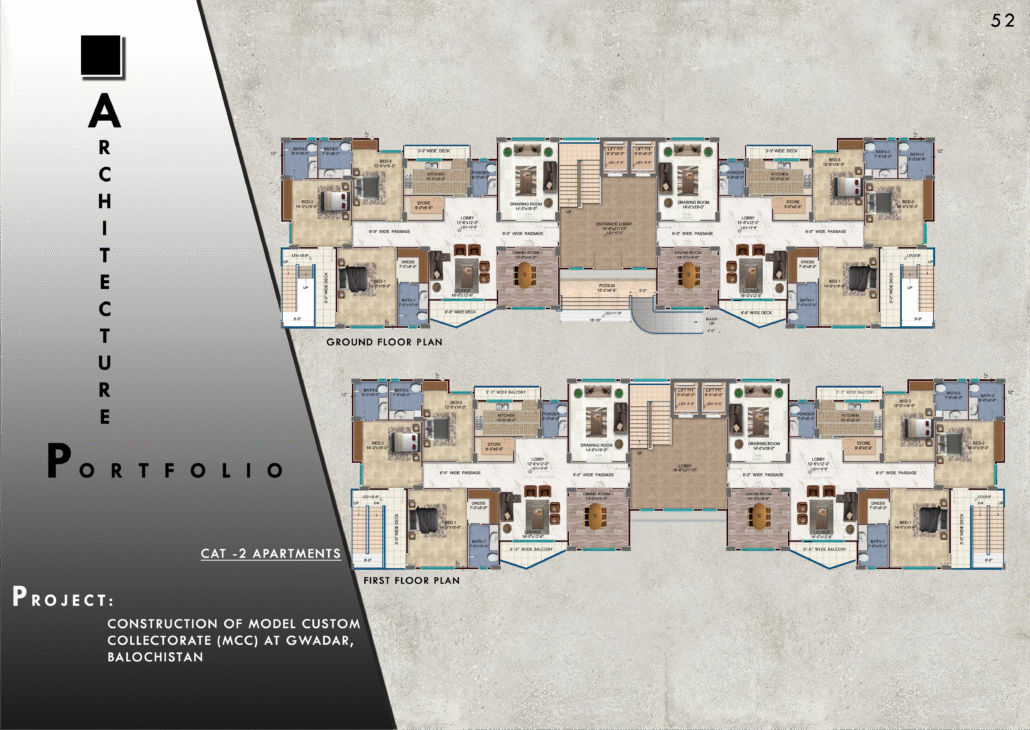
The future of smart homes is redefining how architecture and technology work together. Homes are no longer static structures. They are responsive environments designed to adapt to lifestyle, comfort, and energy efficiency. As technology evolves, architects play a critical role in integrating smart systems seamlessly into design.
At Arcxplore, we believe smart homes begin with smart architecture.
Architecture as the Foundation of Smart Living
Technology alone does not make a home smart. Architecture sets the framework that allows systems to perform efficiently. Proper spatial planning, material selection, and building orientation enhance automation, connectivity, and comfort.
Smart architecture anticipates future upgrades, ensuring systems can evolve without structural disruption.
Energy Efficiency and Intelligent Systems
One of the strongest advantages of smart homes is energy optimization. Automated lighting, climate control, and shading systems respond to occupancy and daylight. Solar integration and energy monitoring reduce consumption and operating costs.
When architecture supports these technologies, homes become more sustainable and cost-efficient.
Comfort, Security, and User Experience
Smart homes enhance everyday living. Voice-controlled systems, automated appliances, and adaptive lighting improve convenience. Advanced security systems integrate with architectural design to maintain aesthetics while ensuring safety.
Thoughtful design ensures technology feels intuitive rather than intrusive.
Materials and Design for Smart Integration
Modern materials support smart functionality. Smart glass controls heat and light. Acoustic panels improve sound control for connected spaces. Flexible layouts accommodate home offices, entertainment zones, and wellness areas.
Architecture that supports adaptability extends the lifespan of smart homes.
Data, Sustainability, and Future Readiness
Smart homes generate valuable data. Architects use this insight to improve spatial efficiency, indoor air quality, and energy performance. Sustainable design paired with technology creates homes that respond to environmental conditions in real time.
Future-ready homes balance innovation with simplicity and reliability.
The Architect’s Role in Smart Home Design
Architects bridge technology and human experience. Without thoughtful planning, smart systems become fragmented. With the right design approach, they enhance lifestyle, reduce costs, and increase property value.
At Arcxplore, we design homes where architecture and technology work together seamlessly.
Final Thoughts
The future of smart homes lies in integration. Architecture provides structure, while technology enhances performance. Together, they create living spaces that are intelligent, efficient, and adaptable.