Open floor plans vs traditional layouts is one of the most common debates in residential architecture. Both approaches shape how a home functions, feels, and adapts over time. Choosing the right layout depends on lifestyle, privacy needs, and long-term goals.
At Arcxplore, we help clients select layouts that support how they truly live.
What Defines an Open Floor Plan
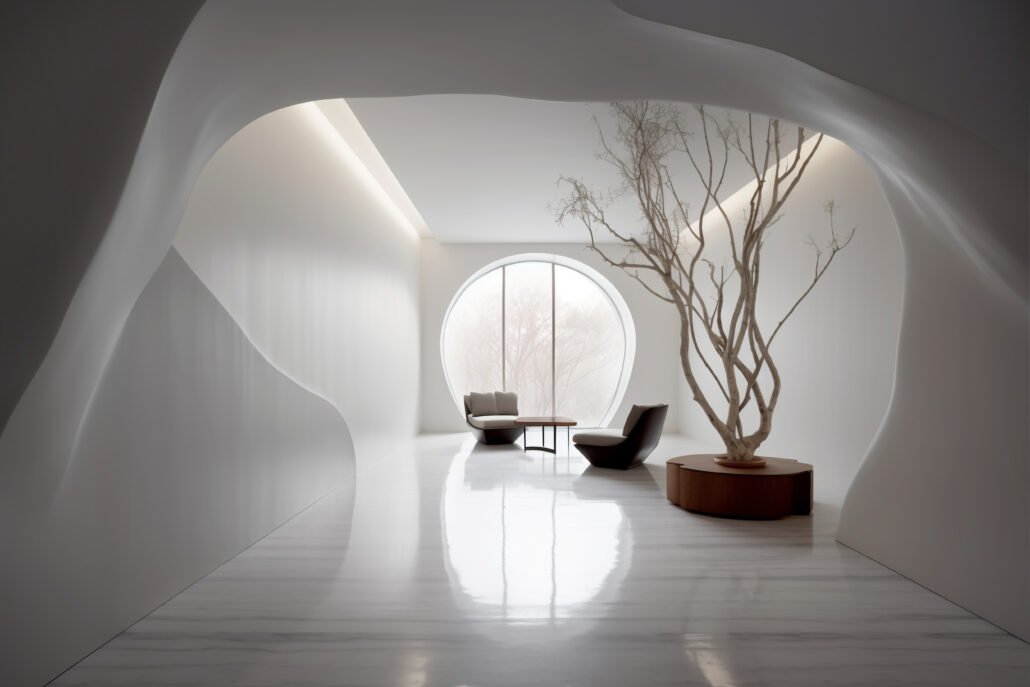
Open floor plans remove walls between key living spaces such as the kitchen, dining, and living areas. This creates a sense of openness, better light distribution, and visual connection.
These layouts encourage interaction and flexibility. Families and entertainers often prefer open spaces because they feel larger and more connected.
Understanding Traditional Layouts
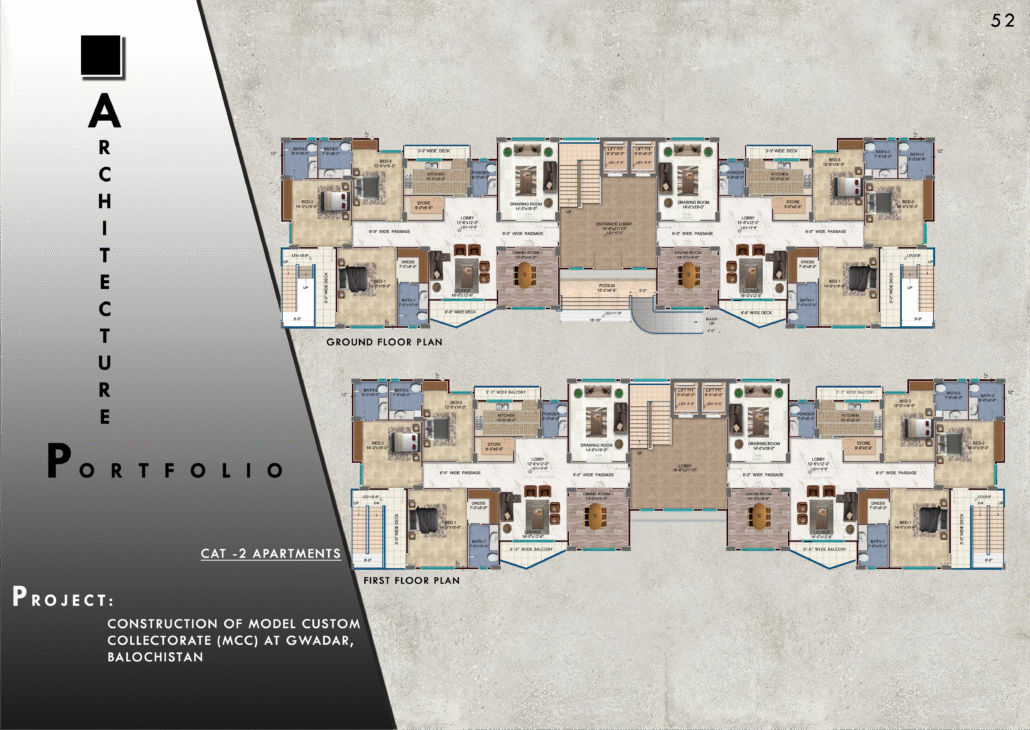
Traditional layouts divide spaces into clearly defined rooms. Living, dining, and kitchen areas are separated for privacy and structure. This approach supports quieter environments and better control over noise and temperature.
Many homeowners appreciate the organization and formality that traditional layouts provide.
Lifestyle and Daily Use
Lifestyle plays a major role in layout choice. Open floor plans support social living, multitasking, and supervision of children. However, they may lack privacy for remote work or quiet activities.
Traditional layouts work well for households that value separation, focused workspaces, and defined routines. They also help reduce noise between rooms.
Lighting, Ventilation, and Energy Use
Open layouts allow natural light and air to flow freely across spaces, improving visual comfort. However, heating and cooling larger open areas may increase energy use.
Traditional layouts allow zoning of lighting and climate control, which can improve energy efficiency in some cases.
Furniture and Storage Considerations
Furniture planning is critical in open layouts. Without walls, furniture defines zones, which requires careful planning to avoid clutter. Storage must be integrated thoughtfully.
Traditional layouts provide more wall space for storage, cabinetry, and artwork. This makes organization easier for many homeowners.
Resale Value and Long-Term Flexibility
Open floor plans are popular in modern housing markets, especially among younger buyers. They offer flexibility and adaptability over time.
Traditional layouts appeal to buyers seeking classic design and privacy. Well-designed homes often combine both approaches to maximize long-term value.
Finding the Right Balance
Many architects now blend open and traditional layouts. Partial walls, sliding doors, and zoning techniques allow flexibility without sacrificing privacy.
At Arcxplore, we design layouts that balance openness with functionality.
Final Thoughts
There is no universal winner in the open floor plans vs traditional layouts debate. The best choice depends on lifestyle, space, and future needs.