How to communicate effectively with your architect is one of the most important skills a client can develop. Even the best design ideas can fall short if communication is unclear. Strong collaboration leads to better decisions, smoother workflows, and results that truly reflect your vision.
At Arcxplore, we believe successful projects begin with clear and consistent communication.
Start With Clear Goals and Expectations
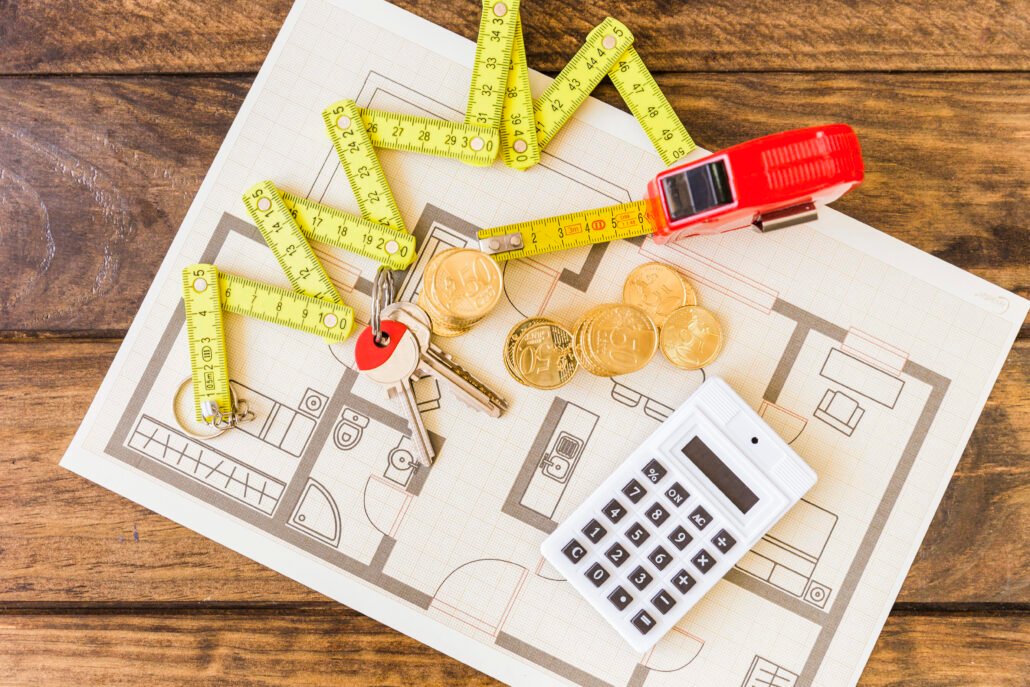
Before design begins, define your goals. Share how you plan to use the space, your priorities, and your long-term expectations. Be honest about budget limits, timelines, and must-have features.
Clear goals give architects the foundation they need to design efficiently.
Share Inspiration and References
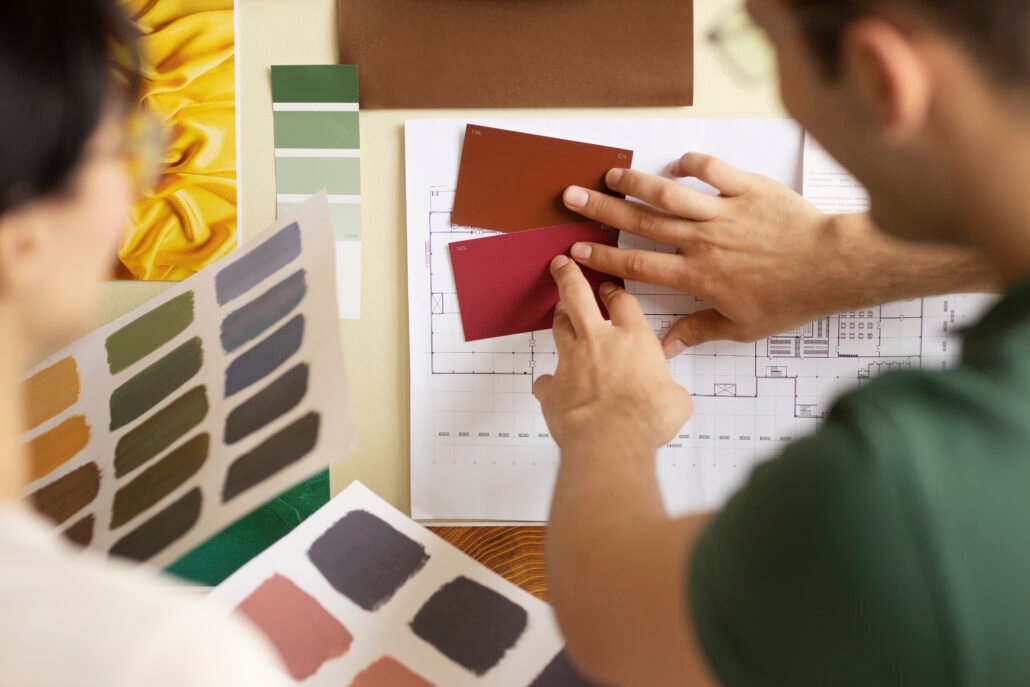
Visual references help translate ideas into design language. Share images, sketches, or examples of spaces you like. Even noting what you dislike is helpful.
This process aligns expectations and reduces misunderstandings early in the project.
(Here I can add hyperlink to design inspiration boards)
Ask Questions and Stay Involved
Do not hesitate to ask questions. Architects expect clients to seek clarification on layouts, materials, and decisions. Regular feedback ensures the design evolves in the right direction.
Staying involved does not mean micromanaging. It means participating thoughtfully.
Understand the Design Process
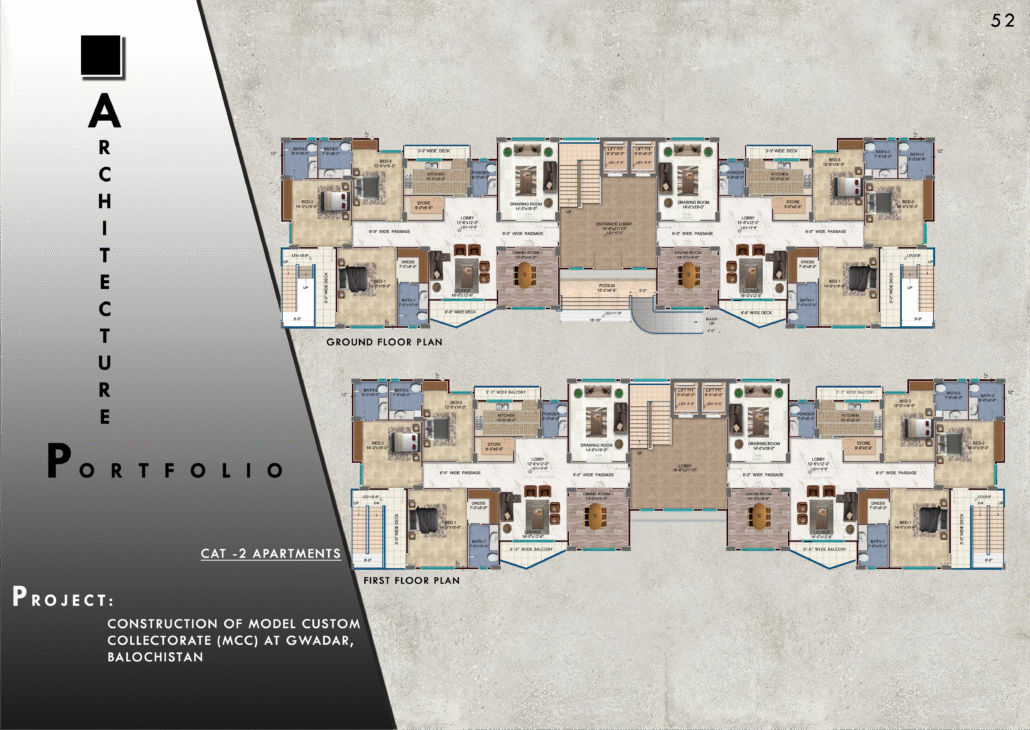
Architecture follows stages such as concept design, development, and documentation. Understanding these phases helps manage expectations and timelines.
Knowing when decisions are flexible and when they are final prevents delays and revisions.
Be Open to Professional Advice
Architects balance creativity with technical knowledge. While your input matters, trust professional recommendations related to safety, functionality, and regulations.
Open dialogue creates better solutions than rigid demands.
Communicate Changes Early
Changes are part of the design process, but timing matters. Communicate revisions as early as possible to avoid cost increases and scheduling issues.
Clear documentation of decisions helps keep everyone aligned.
Use Clear Communication Channels
Agree on how communication will happen. Regular meetings, emails, or shared project platforms keep discussions organized. Written summaries help avoid confusion later.
Consistency builds trust and efficiency.
Final Thoughts
Effective communication turns ideas into successful architecture. When clients and architects collaborate openly, projects become smoother, clearer, and more rewarding.