Space planning essentials are at the core of successful architecture. Whether designing a compact apartment or a large commercial building, how space is planned determines comfort, efficiency, and long-term usability. Architects focus on more than size. They design how spaces work together.
At Arcxplore, we believe great design is about making every square foot purposeful.
Understanding How Space Is Used
Effective space planning begins with understanding how people move, work, and live within a space. Architects analyze daily routines, furniture needs, and activity zones before creating layouts.
This approach ensures no area feels wasted or underutilized.
Zoning for Functionality
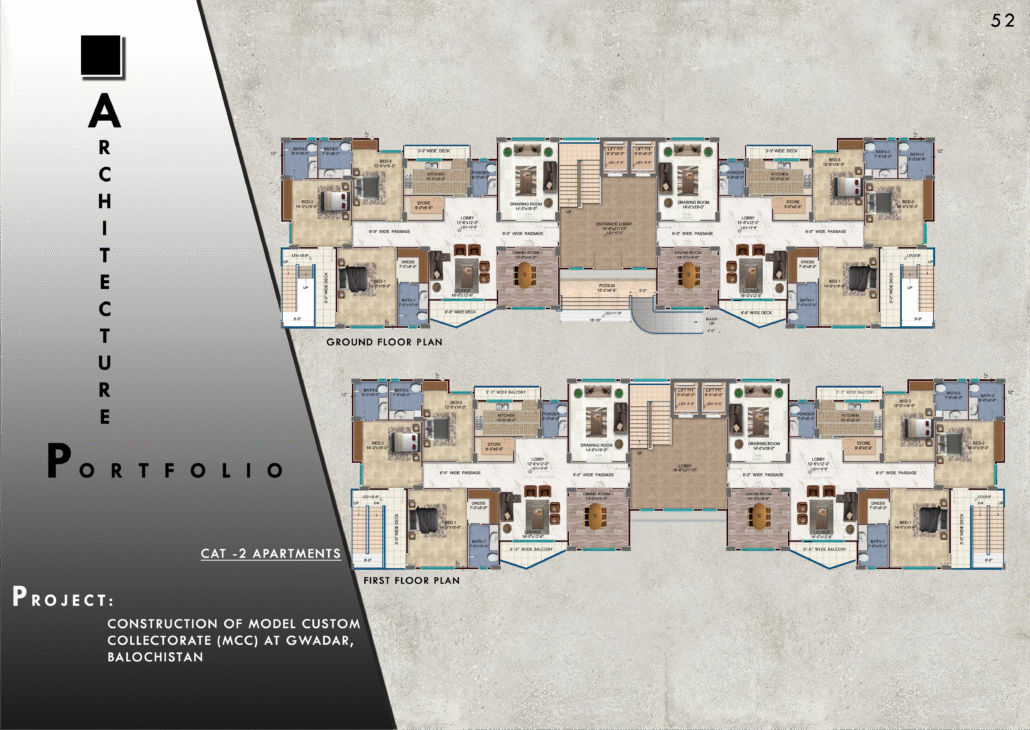
Zoning divides spaces based on function. Public areas like living rooms or reception zones are separated from private spaces such as bedrooms or offices. Service zones like kitchens and bathrooms are placed for efficiency.
Clear zoning improves flow, privacy, and usability without increasing square footage.
Open Layouts and Flexible Design
Open plans are a key tool in maximizing space. By reducing unnecessary walls, architects allow light, air, and movement to flow freely. Flexible layouts support multiple uses, such as living spaces that double as work areas.
Flexibility helps buildings adapt as needs change over time.
Smart Storage Integration
Storage is essential to space efficiency. Built-in cabinets, wall-mounted shelving, and multi-functional furniture reduce clutter while maintaining clean aesthetics.
Architects design storage as part of the architecture rather than an afterthought.
Natural Light and Visual Expansion
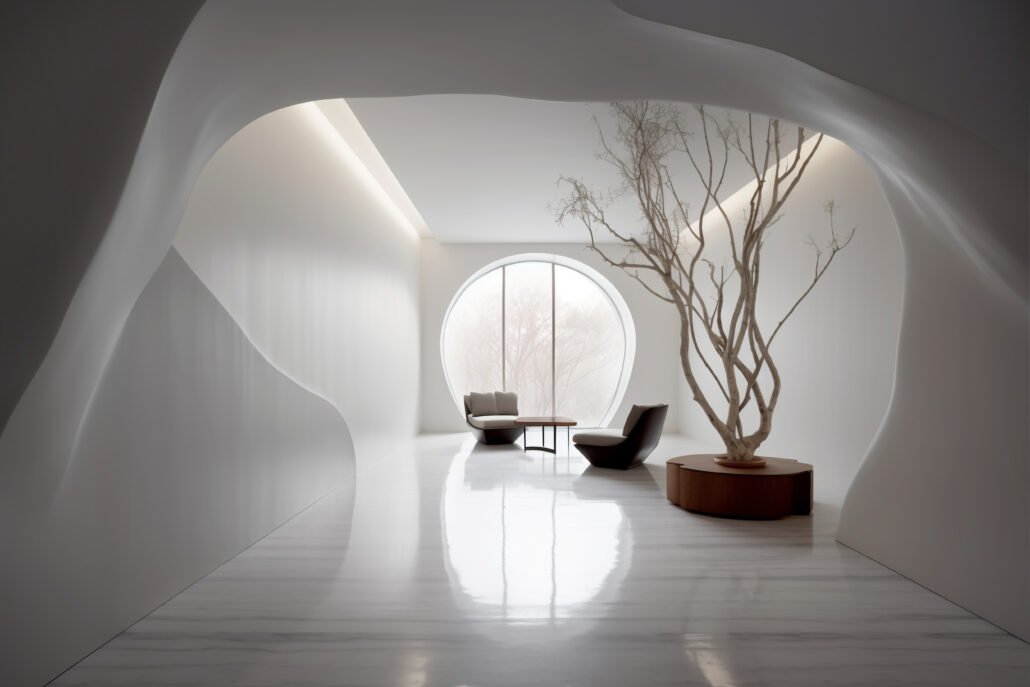
Natural light makes spaces feel larger. Strategic window placement, glass partitions, and light color palettes visually expand interiors. Mirrors and reflective surfaces further enhance spatial perception.
Good lighting design improves comfort and reduces energy consumption.
Furniture Planning and Scale
Furniture selection impacts space planning significantly. Oversized furniture can overwhelm a room, while well-scaled pieces improve circulation and comfort. Architects often plan furniture layouts alongside architectural drawings.
This coordination ensures balance between function and aesthetics.
Final Thoughts
Space planning essentials focus on quality, not quantity. Thoughtful layouts, smart zoning, and integrated storage allow architects to maximize every square foot.