Designing commercial spaces that boost employee productivity has become a priority for modern businesses. Offices are no longer just places to work. They are environments that influence focus, motivation, collaboration, and well-being. Thoughtful architectural design directly impacts how people perform every day.
At Arcxplore, we design commercial spaces that support people first, because productive teams thrive in well-designed environments.
The Connection Between Design and Productivity
Workspace design affects concentration, energy levels, and efficiency. Poor layouts, limited daylight, and uncomfortable furniture can reduce performance. In contrast, well-planned commercial architecture encourages movement, interaction, and mental clarity.
When employees feel comfortable and supported, productivity naturally improves.
Smart Space Planning and Layouts
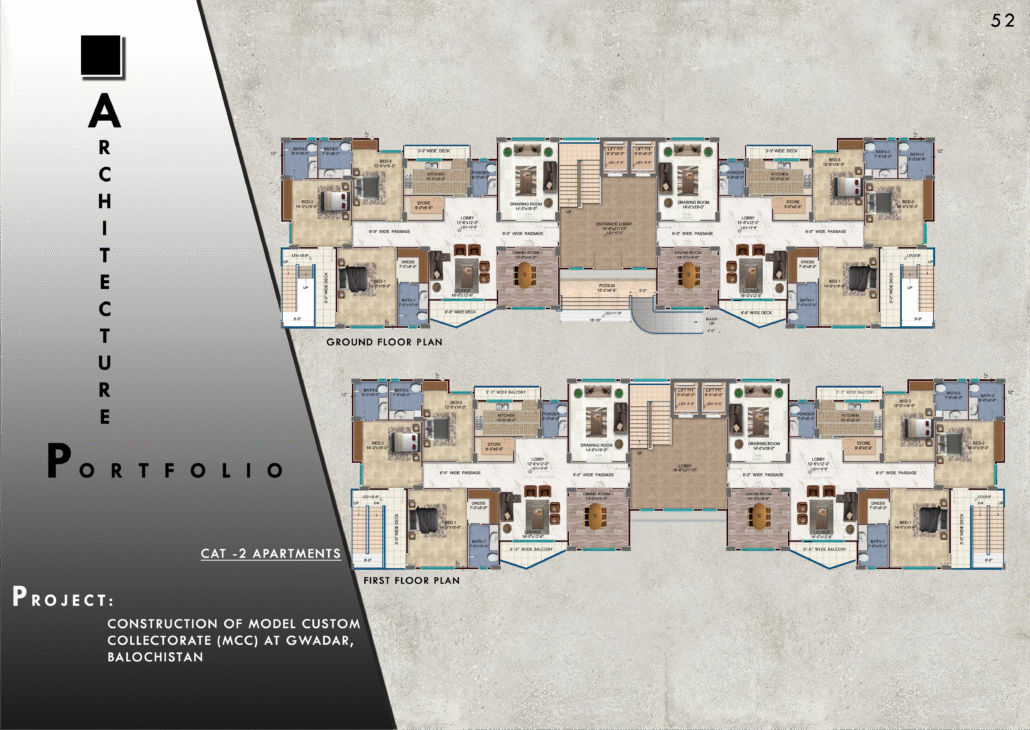
Effective commercial design starts with smart space planning. Architects organize zones for focused work, collaboration, meetings, and relaxation. Clear circulation paths reduce distractions and improve workflow.
Flexible layouts allow spaces to adapt as teams grow or work styles change.
Natural Light and Visual Comfort
Natural light plays a major role in employee performance. Offices with adequate daylight improve mood, reduce fatigue, and enhance concentration. Architects position windows, skylights, and open layouts to distribute light evenly.
Balanced artificial lighting supports tasks without causing glare or eye strain.
Acoustics and Privacy Balance
Noise is one of the biggest productivity challenges in commercial spaces. Acoustic panels, ceiling treatments, and zoning help control sound levels. Architects balance open-plan collaboration with private areas for focused tasks.
This balance supports teamwork without sacrificing concentration.
Ergonomics and Human-Centered Design
Ergonomic design reduces physical strain and discomfort. Proper desk heights, seating, and circulation spaces improve posture and movement. Architects consider furniture placement as part of the overall design strategy.
Healthy employees are more engaged and productive.
Biophilic Design and Well-Being
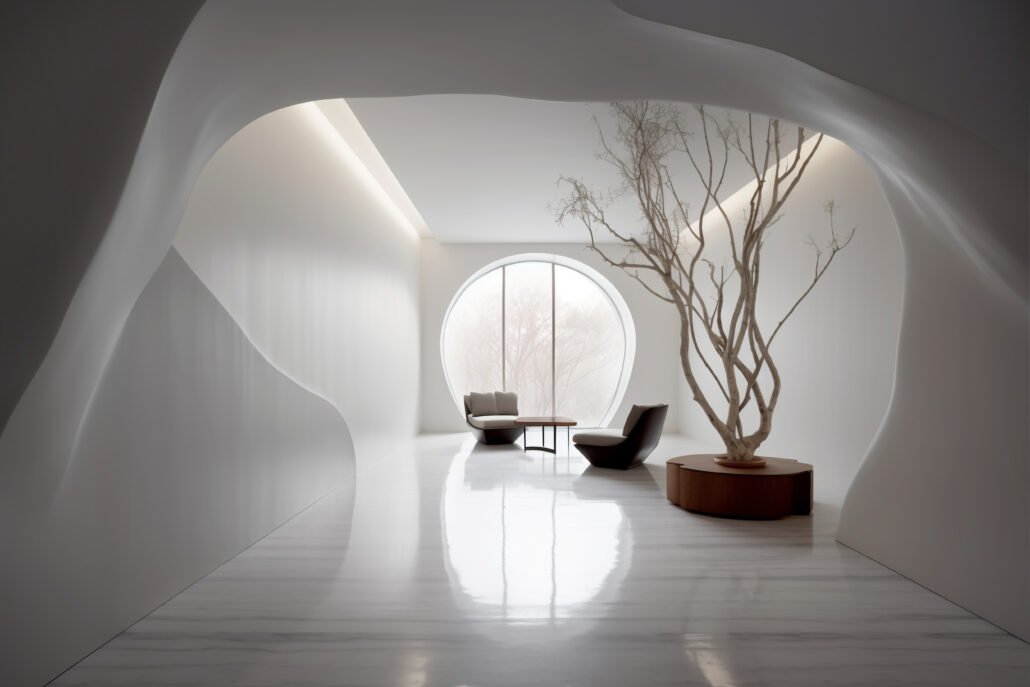
Biophilic elements like indoor plants, natural materials, and views of nature enhance well-being. These features reduce stress and improve mental clarity.
Commercial spaces that connect people to nature create a healthier work environment.
Technology Integration for Efficiency
Modern workplaces rely on technology. Smart lighting, climate control, and integrated meeting systems streamline daily operations. Architects plan infrastructure early to avoid clutter and future disruptions.
Technology works best when it is seamlessly integrated into architecture.
Final Thoughts
Designing commercial spaces that boost employee productivity is about more than aesthetics. It is about creating environments that support focus, comfort, collaboration, and well-being.