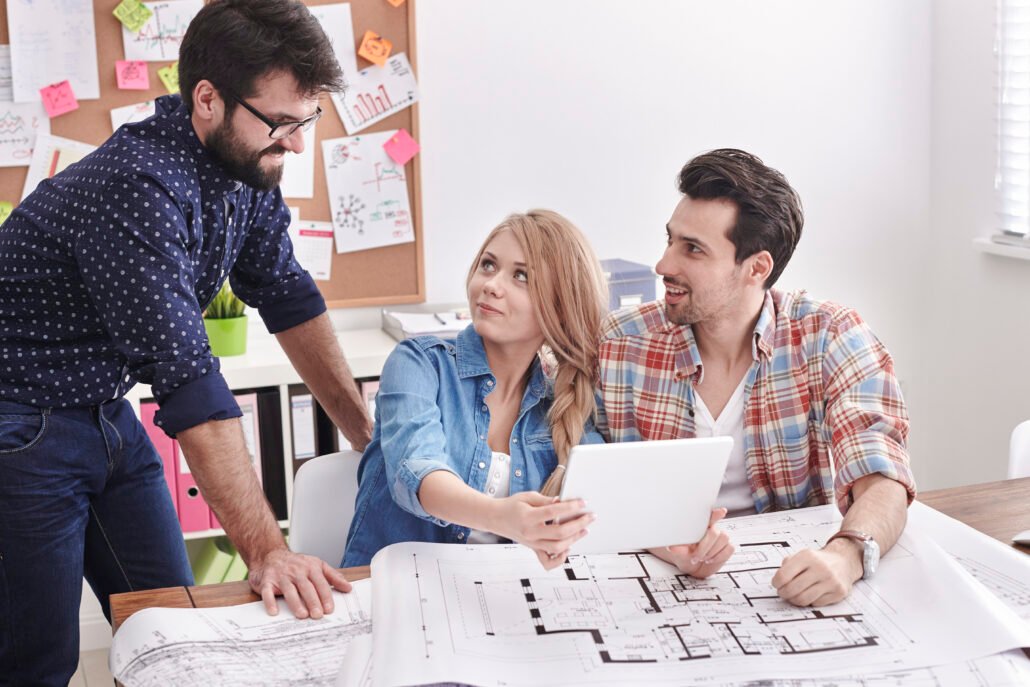
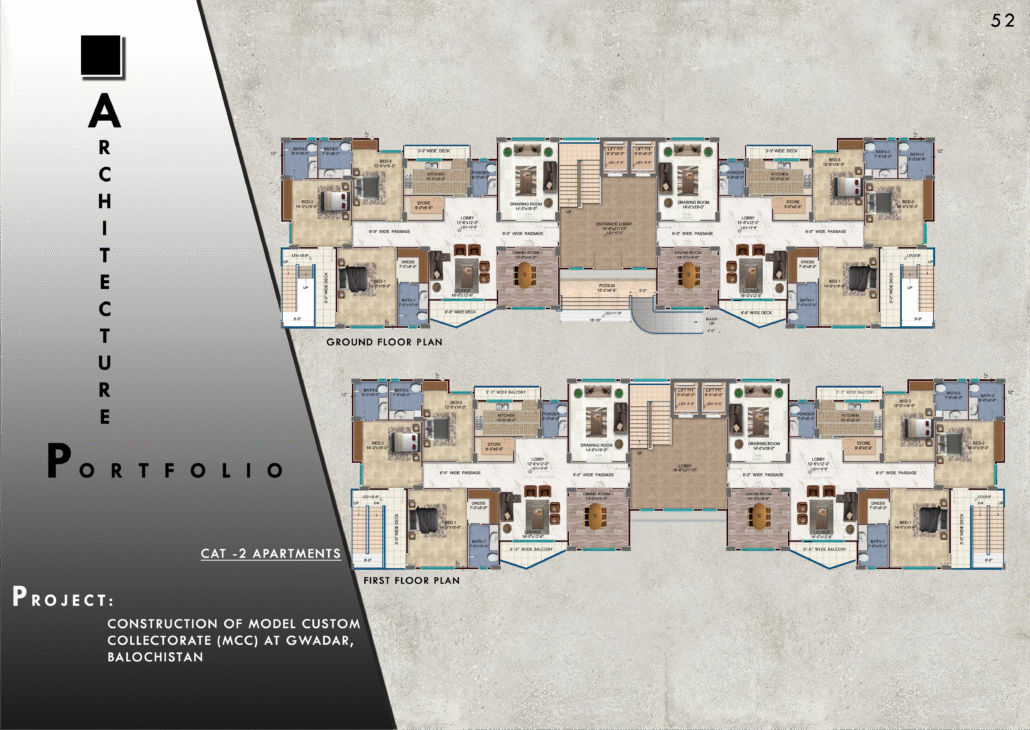
Architecture shapes human behavior in powerful and often unnoticed ways. The spaces we occupy every day influence how we move, interact, feel, and perform. From homes and offices to schools and public spaces, architectural design plays a direct role in shaping human experience.
At Arcxplore, we believe architecture should enhance behavior, not restrict it.
The Psychology Behind Architectural Design
Design affects human psychology. Ceiling heights influence creativity, lighting impacts mood, and spatial proportions affect comfort. Well-designed spaces create a sense of safety and clarity, while poorly planned environments cause stress and confusion.
Architects use behavioral science to design spaces that support positive human responses.
Movement and Spatial Flow
Architecture guides how people move through space. Clear circulation paths encourage smooth transitions and reduce congestion. Narrow or confusing layouts often lead to frustration.
Thoughtful planning improves accessibility and enhances user experience across all age groups.
Social Interaction and Community
Design influences how people interact. Open spaces encourage collaboration and social engagement. Enclosed areas promote privacy and focus. Public plazas, courtyards, and shared spaces strengthen community connections.
Architects balance openness and privacy to support healthy social behavior.
Light, Color, and Emotional Response
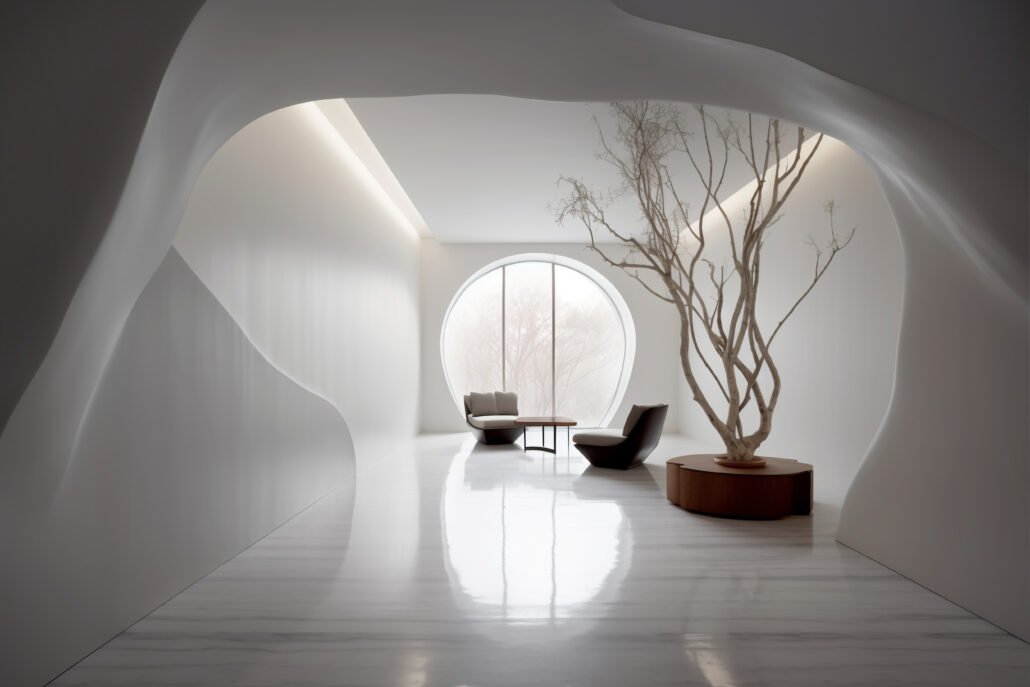
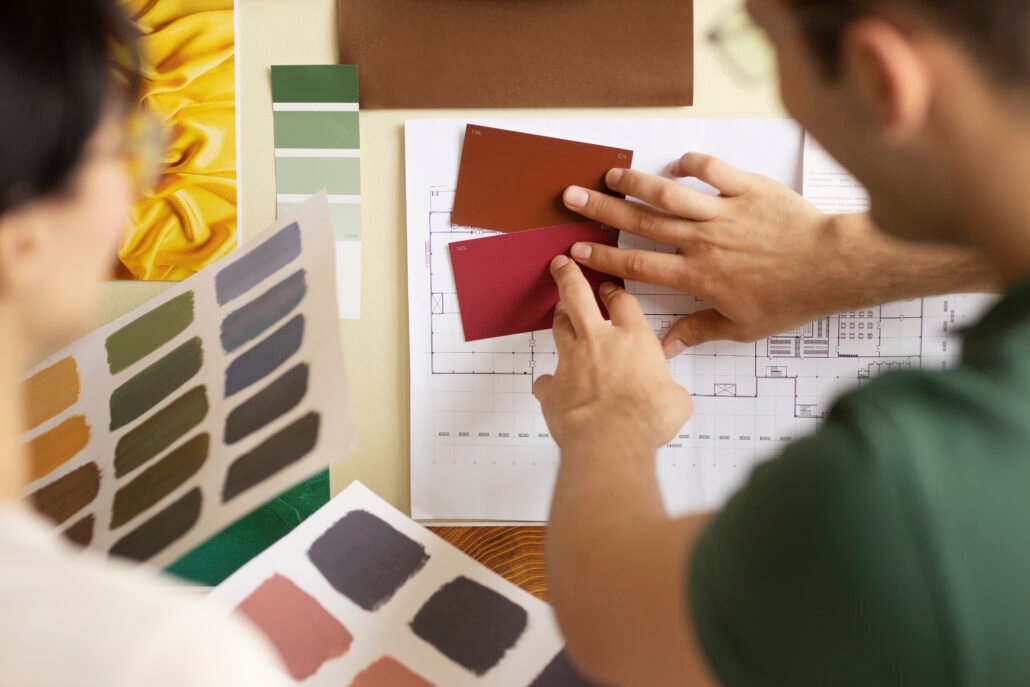
Natural light improves mood, productivity, and well-being. Color choices influence emotions, such as calmness, focus, or energy. Warm tones create comfort, while cool tones promote clarity.
Architectural design uses light and color to shape emotional experiences intentionally.
Behavior in Residential Spaces
Home design affects daily habits. Open kitchens promote family interaction, while quiet zones support rest and concentration. Storage placement influences organization and cleanliness.
Well-designed homes support healthier routines and better quality of life.
Workplace Behavior and Performance
In offices, design impacts focus and collaboration. Acoustic control reduces distraction. Ergonomic layouts reduce fatigue. Flexible spaces allow teams to work efficiently.
Productivity improves when architecture supports both individual and group behavior.
Designing for Well-Being
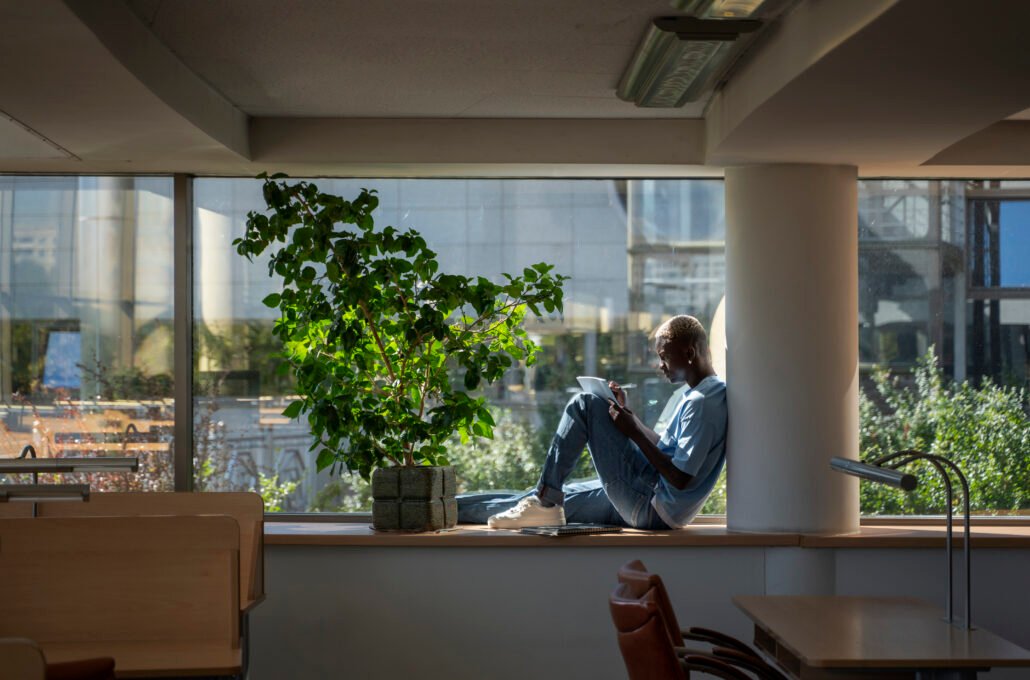
Biophilic design connects people to nature through light, materials, and greenery. These elements reduce stress and improve mental health. Architecture that prioritizes well-being creates lasting positive impact.
Final Thoughts
Architecture shapes human behavior by influencing how we feel, move, and interact. Good design creates environments that support comfort, productivity, and connection.